
Windrush Day, by H.A
Windrush Day is a commemoration in the United Kingdom held on 22 June to honour and to recognise Afro-Caribbean communities and their descendants. The purpose of this day is to reflect on the challenges of migrants who arrived to the UK in a large group from June 1948 up until 1973 to help and rebuild post-war Britain, later known as the Windrush generation.
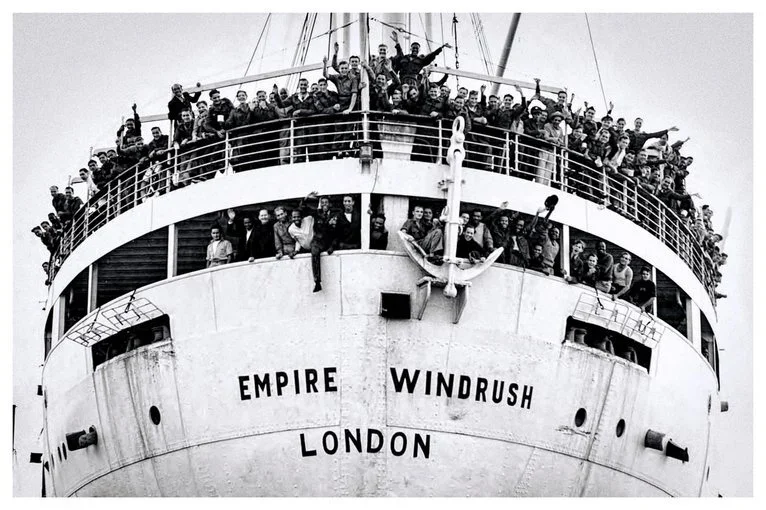
Windrush Day has grown in popularity since the campaign by Patric Vernon, who is a British social commentator and political activist of Jamaican heritage.
The name 'Windrush' references the ship 'HMT Empire Windrush', one of the first ships to arrive in post-WWII Britain on June 22nd 1948 - carrying 1, 027 passengers including 800 plus Caribbean migrants.
The Windrush generation had a monumental impact in the United Kingdom during a time when the country was struggling to rebuild after the second world war. They worked in industries like steel, coal, iron, and food production, they helped run public transport services like London transport (now TFL). Windrush migrants were essential in keeping the buses and rail networks running during a period of labor shortages. They were key in helping the postal services to maintain national communications and thousands of women played a major role working as nurses and midwives in the National Health Service (NHS). They helped lay the foundations of modern Black British society and modern multicultural Britain through music such as Ska, Reggae and Calypso. This evolved to a British-born genre like Lovers Rock and influenced the development of punk and two-tone music. And the arrival of Caribbean cuisine changed the British palate and the hospitality industry forever. Ingredients like plantain, yam and jerk seasoning became staples in British supermarkets. .
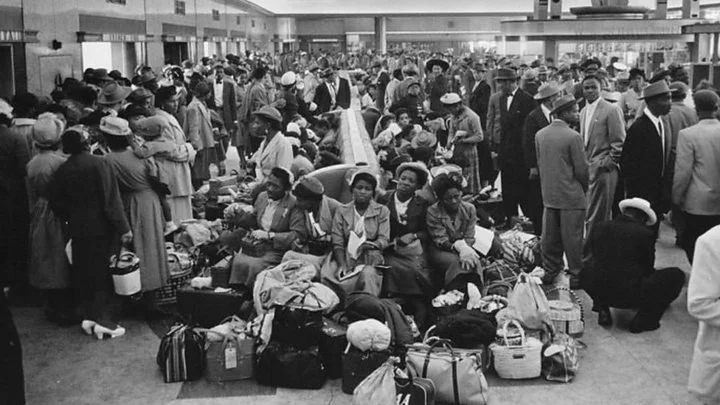
One of the immediate challenges faced by this community was racism. From the moment Windrush migrants arrived despite being invited by the UK government, they were denied work, refused housing rentals, and struggled to find suitable accommodation, due to extreme prejudice and racist discrimination from landlords refusing to rent to Black families. This led to overcrowding and overcharging for poor quality housing. Many were denied skilled positions, regardless of their qualifications, and were subject to unequal treatment and lower wages. This environment led to trauma and influenced disparities in health and economic outcomes for black Caribbean communities.
This historical trauma is not passive; it was actively transmitted across generations, resulting in contemporary disparities in health and economic outcomes for Black Caribbean communities. The harsh conditions of racism, stress, nutritional deficiencies, and physical brutality has led to major health disparities. The effects are not limited to the original migrants. Younger generations face barriers to higher education and student finance because their parents' status was never regularised.
The Windrush scandal (2018)
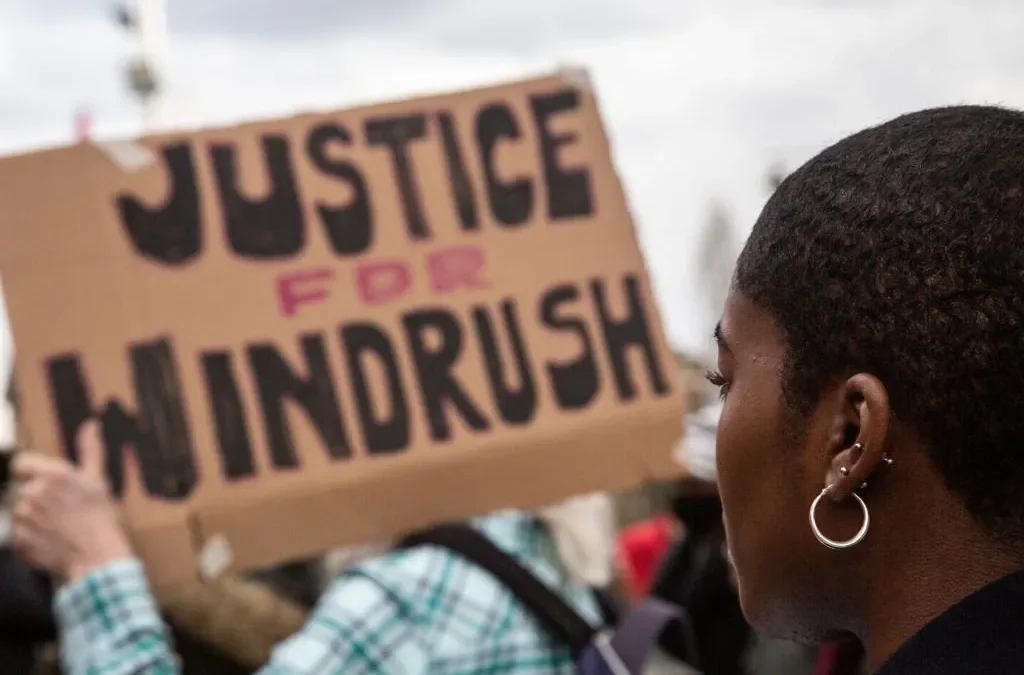
Long-term UK residents from the Windrush Generation were wrongly classified as illegal immigrants. Many lacked official paperwork proving their right to live in the UK due to being from British colonies. As many came to join parents or grandparents under the British Nationality Act 1948, some had never been given documents, while others had records destroyed by the British government. The wrongful classification of of the Windrush genration meant that individuals were required to prove their legal status, leading to serious consequences. Many people were wrongly detained, deported, and denied legal rights. Some are still fighting for justice.
The Government issued an apology for the deportation threats and a mistreatment and compensation scheme was introduced for those affected. There has been ongoing criticism about delays and how claims have been handled. The compensation process is often described as complex and demanding. Victims are required to provide extensive historical evidence (sometimes stretching back decades) to justify compensation claims, reliving their trauma in the process.
This is why Windrush Day matters today, to promote education about British history, diversity and encourage conversations about immigration, identity, and belonging to remind society about the importance of fairness, recognition, and equality.